Welcoming ‘The Royals’ Direction, Presence, and the Art of Offering in Ballet
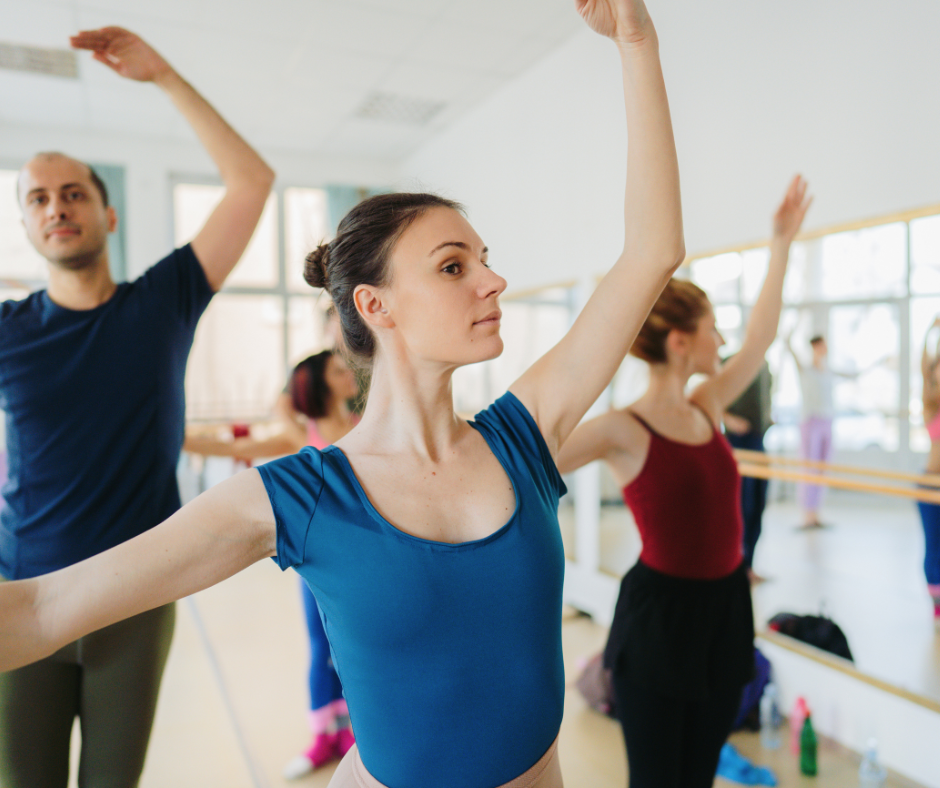
Choreography is often oriented toward the royal box, with performers facing it at key moments, offering their movements almost like a visual tribute. Movement, direction, and spatial design all revolved around status and visibility. To face the monarch was to acknowledge power; to be seen by the monarch was an honour.
Bringing this idea into adult ballet today opens up a rich layer of interpretation. The “royals” need not be literal figures in a theatre box. They can represent the audience, a teacher, or even an internal sense of dignity and worth. Still, the image of that royal box is useful—it gives direction purpose. When you move across the floor, where are you directing your energy? Who are you dancing for?
What “Using Your Core” Actually Means In Adult Ballet
f you’ve ever taken a ballet class, you’ve probably heard the phrase “engage your core” more times than you can count. But what does that actually mean—and why is it so important, especially for adult dancers?
Let’s break it down in a way that makes sense for real bodies, real progress, and real enjoyment of ballet.
What Is the Core?
Your “core” isn’t just your abs. It’s a group of muscles that wrap around your torso like a supportive corset. This includes:
Deep abdominal muscles (especially the transverse abdominis)
Obliques (side waist)
Lower back muscles
Pelvic floor
Diaphragm
Think of your core as your body’s central support system. It stabilizes your spine, helps you balance, and connects your upper and lower body so movement feels coordinated rather than disconnected.
Why Emotional Intelligence Matters in Adult Ballet
Adult ballet isn’t just a physical activity—it’s a personal journey. Many adults return to dance after years away, and some are learning for the first time. A class environment with high emotional intelligence ensures that every student can thrive.
Here’s why it matters:
Supports Learning: Students who can manage frustration or self-criticism learn faster and retain technique better.
Protects Cohort Harmony: In small classes, interactions matter. EI keeps communication respectful and collaborative, maintaining a supportive atmosphere.
Encourages Personal Growth: Ballet challenges both body and mind. Emotional regulation helps students embrace challenges without fear or self-judgment.
Fosters Confidence: Understanding your emotions allows you to move with intention, presence, and joy, rather than hesitation or anxiety.
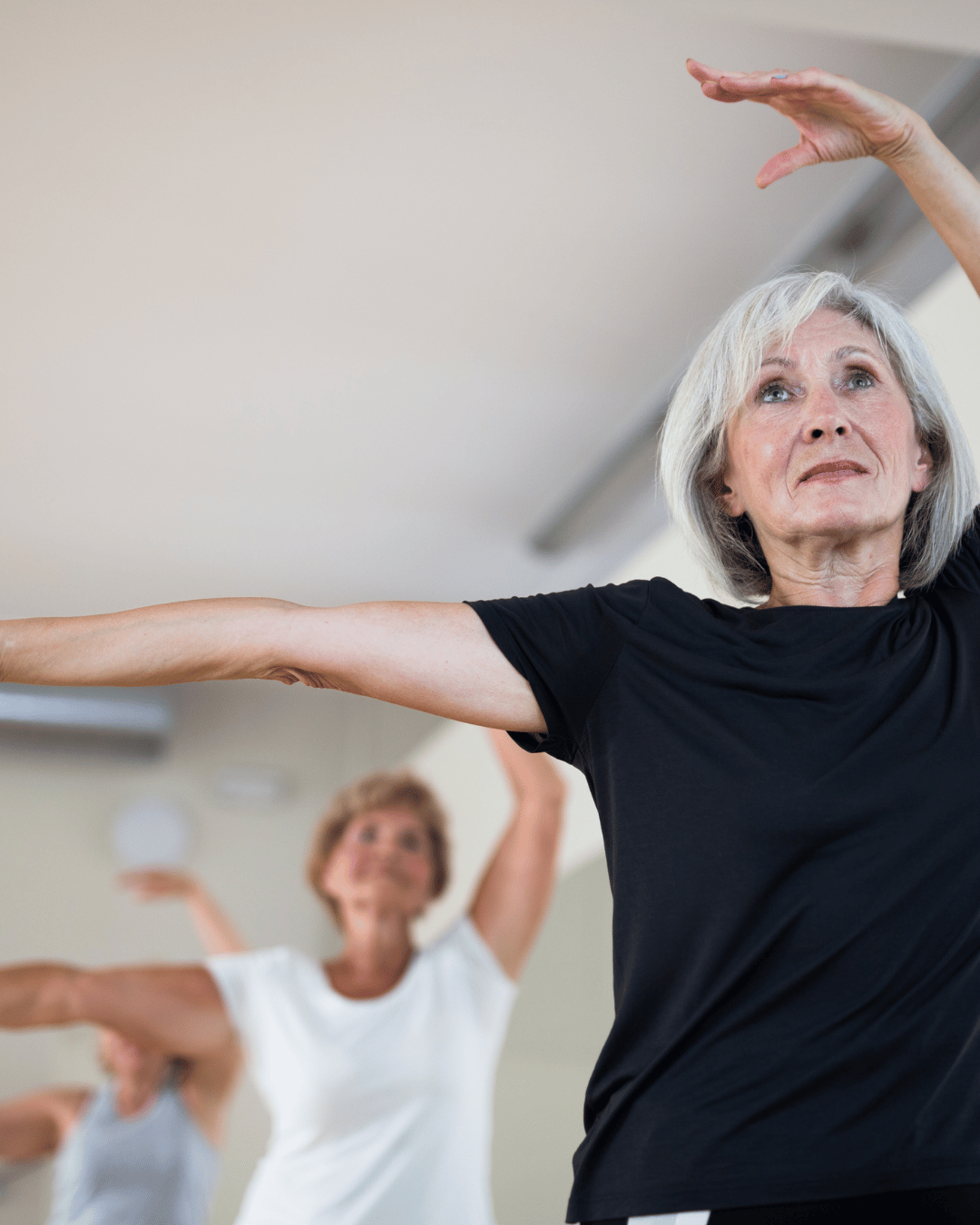
Confessions At the Barre
Ballet is marketed as ethereal. Weightless. Effortless.
We see the swans in Swan Lake gliding like gravity signed a non-compete agreement. We watch the heartbreak in Giselle and forget the blistered heels inside the satin.
But adult ballet strips away illusion.
There’s no delusion that you’ll be scouted for the Bolshoi Ballet.
You show up anyway…
And that’s where the story really begins!
Adult ballet is inconvenient. It’s humbling. It exposes every weakness.
So why do we return to the barre?
Because ballet asks for presence.
In a world of scrolling and notifications and fragmented attention, ballet demands you inhabit your body fully. You cannot fake turnout. You cannot half-commit to a balance.
For 90 minutes, you are not your inbox.
Not your responsibilities.
Not your past.
You are breath.
You are line.
You are effort.
And sometimes — fleetingly — you are grace.
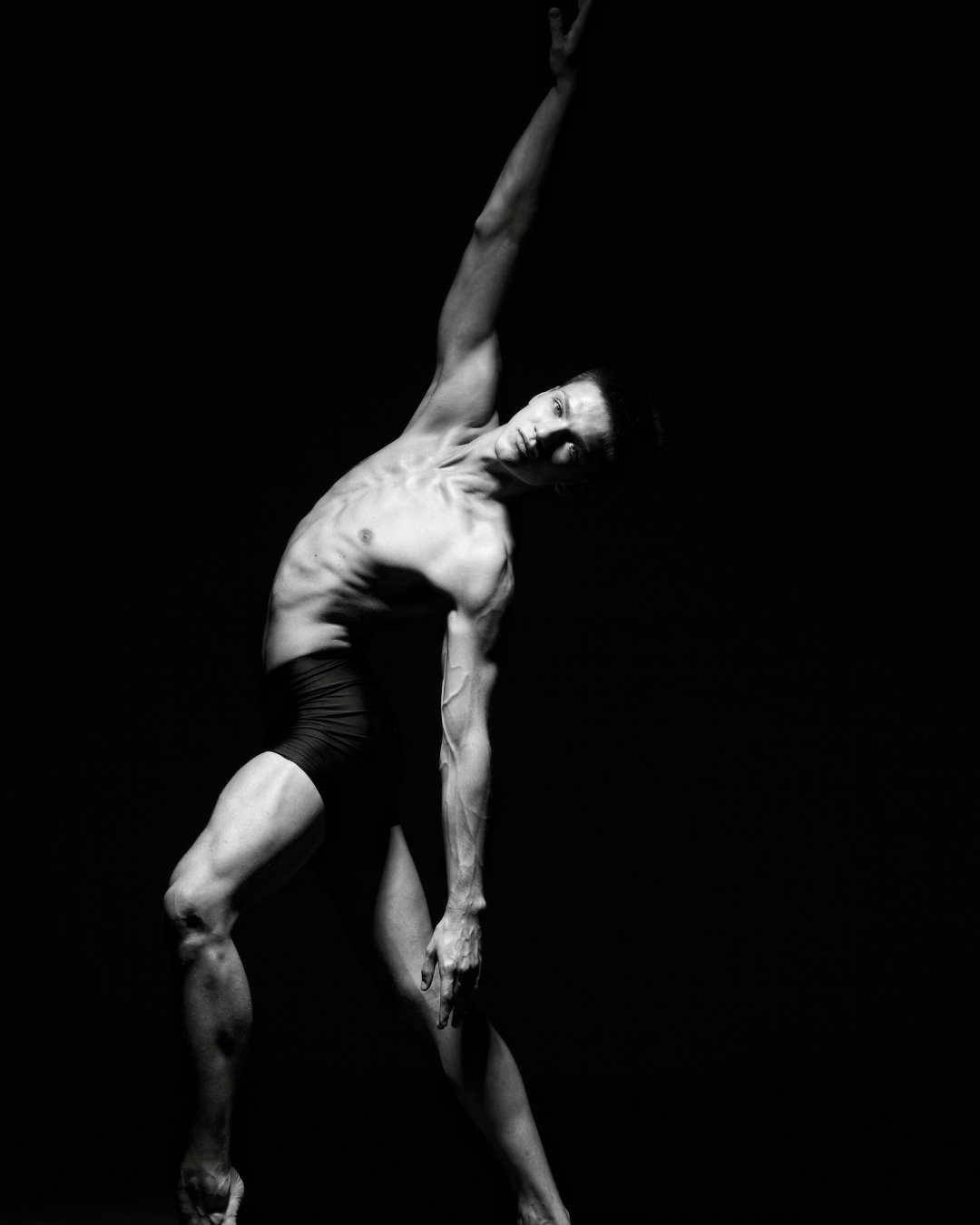
Managing Perfectionism in Adult Ballet
Adult ballet can attracts a certain kind of person: thoughtful, disciplined, high-achieving, detail-oriented. Many adult dancers are professionals in demanding careers. They are used to excelling.
And then they walk into a ballet class.
Suddenly:
The body doesn’t cooperate.
The coordination feels foreign.
The mirror feels unforgiving.
The combination disappears from memory.
Perfectionism, once a strength, can become the biggest obstacle to progress.
Let’s talk about how to manage it.
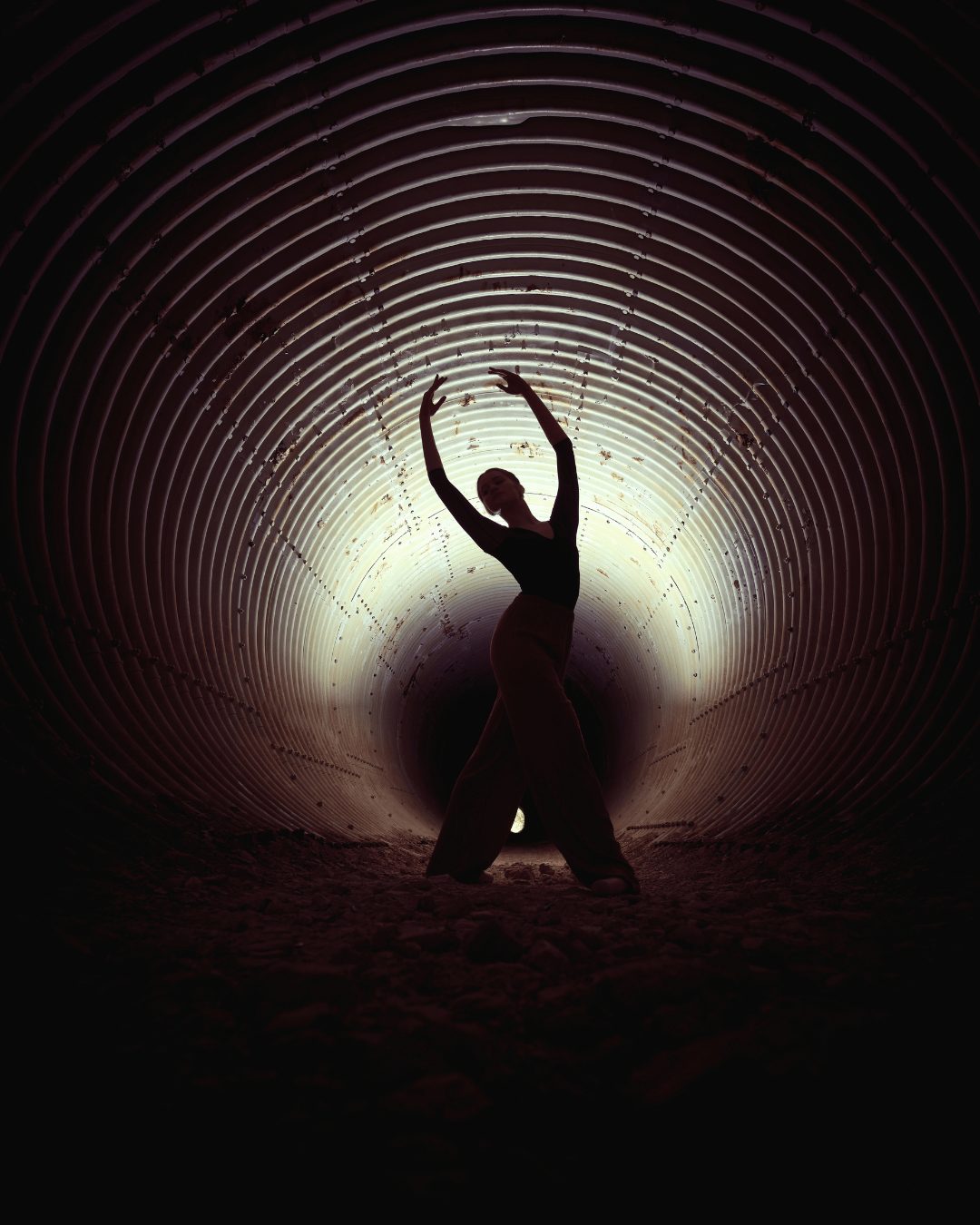
Ballet as Brain Training in Motion
Ballet is often admired for its artistry and grace — but for adults, its benefits go far deeper. Every plié, tendu, and arabesque does more than build strength and flexibility — it engages the brain in ways that research suggests can help preserve and improve cognitive function as we age.
Adult ballet is not just a beautiful practice — it’s neurocognitive training in motion.
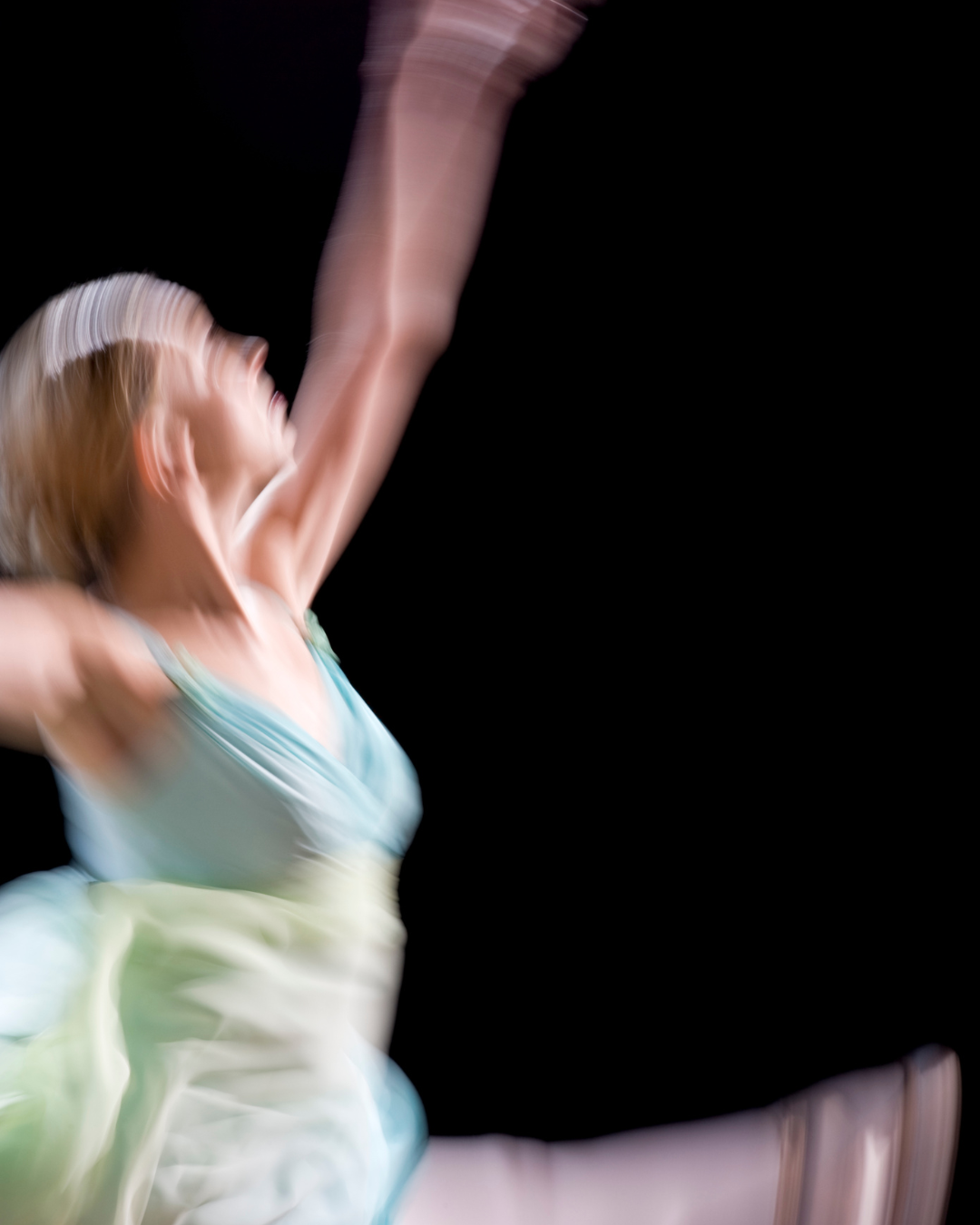
Correction That Connects vs. Correction That Weighs You Down
You didn’t come to ballet class for gold stars. You came for information.
Praise is nice, but correction? Correction is proof that someone sees you. That someone is paying attention to you. When a teacher really corrects—not a passing “nice job,” but a specific, thoughtful adjustment—it can feel like they’re saying:
I see you. You’re in this room with me. You matter here.
Correction can feel intimate. It’s specific. It’s engaged. It tells you there’s somewhere meaningful to go. And yet, sometimes that same correction can feel uncomfortable, exposing, or even heavy. Both of these things can be true at once—and that’s okay.
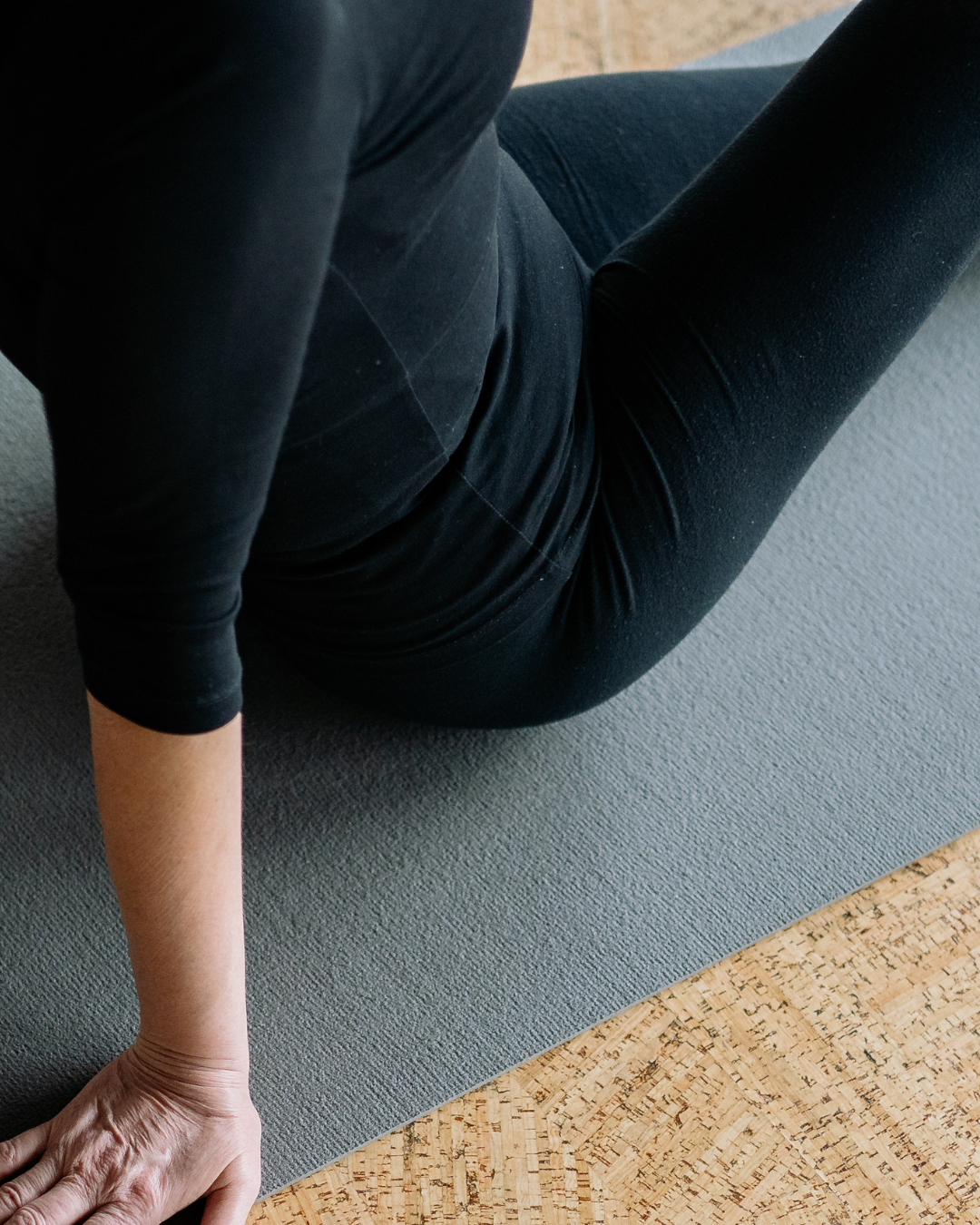
Discover the Boris Kniaseff Floor Barre Method at Ballet Éternel
What if you could improve your ballet technique, strengthen your core, and sculpt your body—all without standing up? That’s the magic of the Boris Kniaseff (BK) Floor Barre method, and it’s now coming to Ballet Éternel!
Far from being just another workout, BK Floor Barre is a thoughtful, intelligent system that has transformed how dancers train.
We’re excited to bring Kniaseff Floor Barre to Mornington! Join us for our new Tuesday morning class and experience the method that has helped dancers around the world move smarter, stronger, and longer.
Take your technique to the next level—sometimes, the fastest way forward is down to the floor.
📅 Tuesdays | Mornington | Ballet Éternel
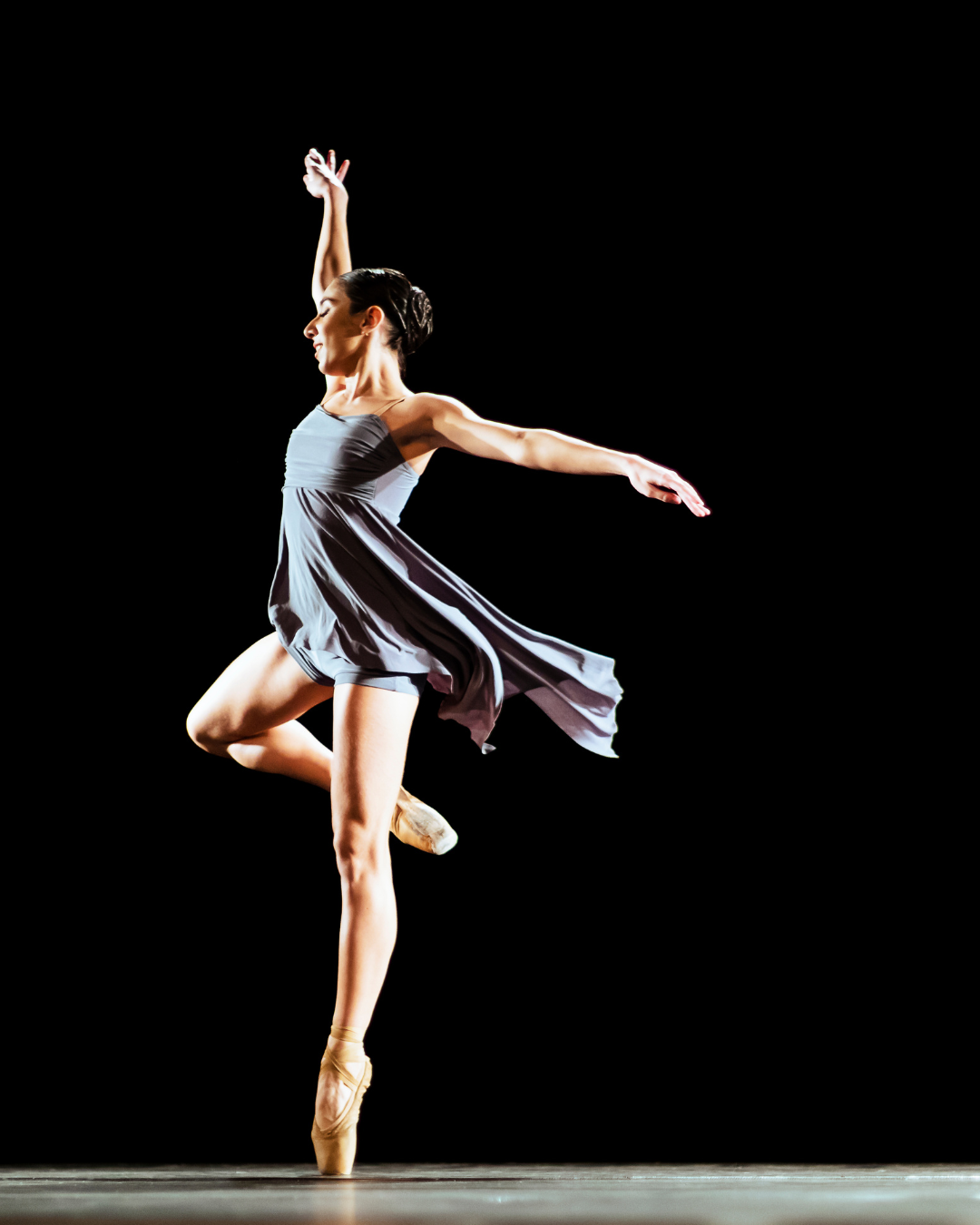
Neoclassical Ballet: Where Elegance Becomes Freedom
Neoclassical ballet blends classical precision with modern freedom, turning every leap, line, and gesture into poetry. Stripped of elaborate sets, it focuses on pure movement—where discipline meets creativity, and emotion lives in every extension and pause. Pioneered by visionaries like Balanchine, it’s a dance of clarity, abstraction, and luminous beauty.
Join us Monday nights from February 23 in Frankston South to experience movement as meditation, where tradition and innovation dance together.
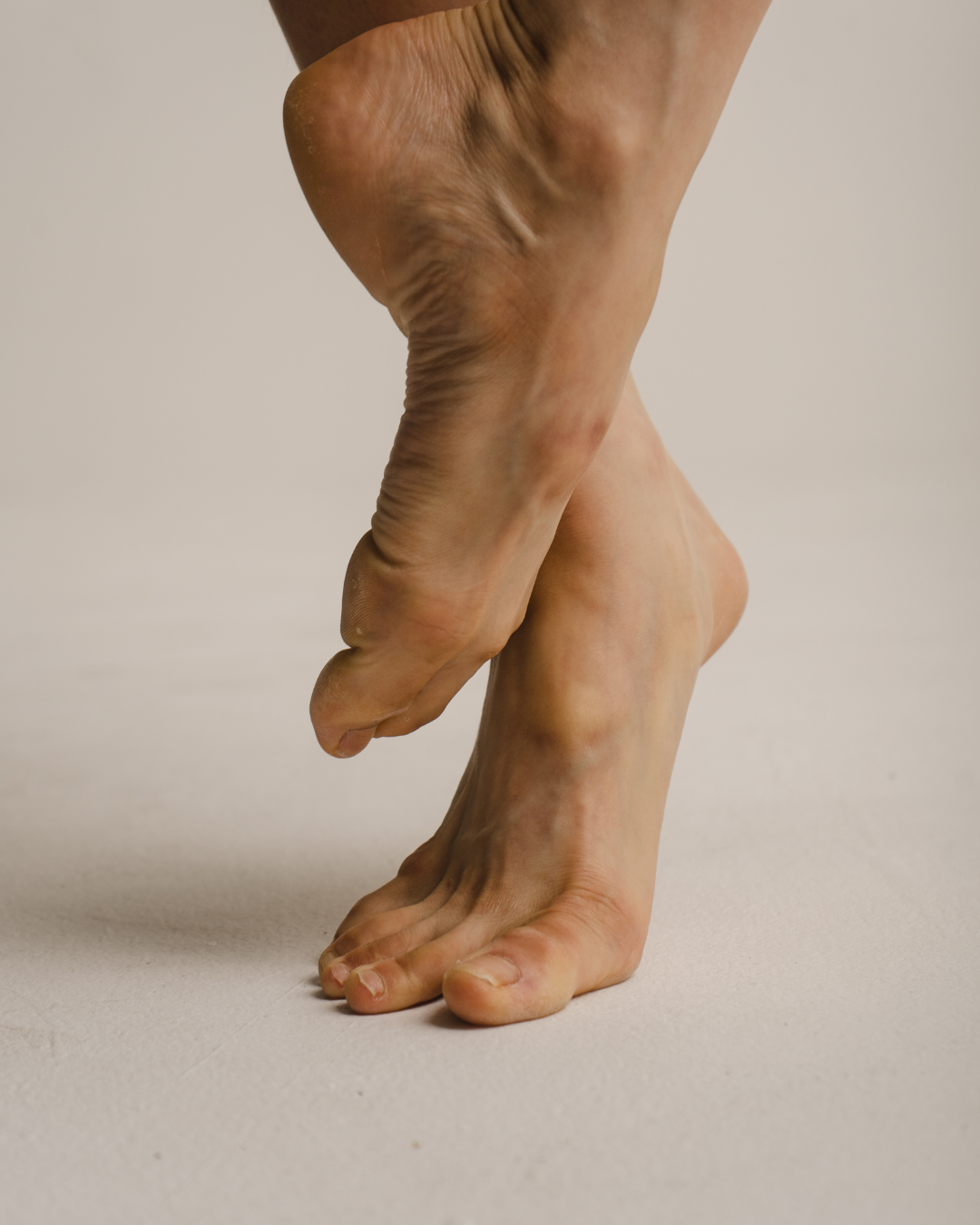
Intrinsics: Rediscovering Your Feet for Ballet
Most of us walk through life without noticing our toes. Shoes, habits, and years of walking on autopilot keep them tucked away, curled, or dormant. But step into a ballet class as an adult, and suddenly the weakness in your arches, the trembling in your rises, the curling of your toes becomes impossible to ignore.
Reconnecting with your intrinsic foot muscles—the tiny muscles that stabilize, lift, and articulate your arches—is like rediscovering a hidden part of yourself. Through simple exercises you can awaken these muscles and build the foundation for balance, precision, and elegance.
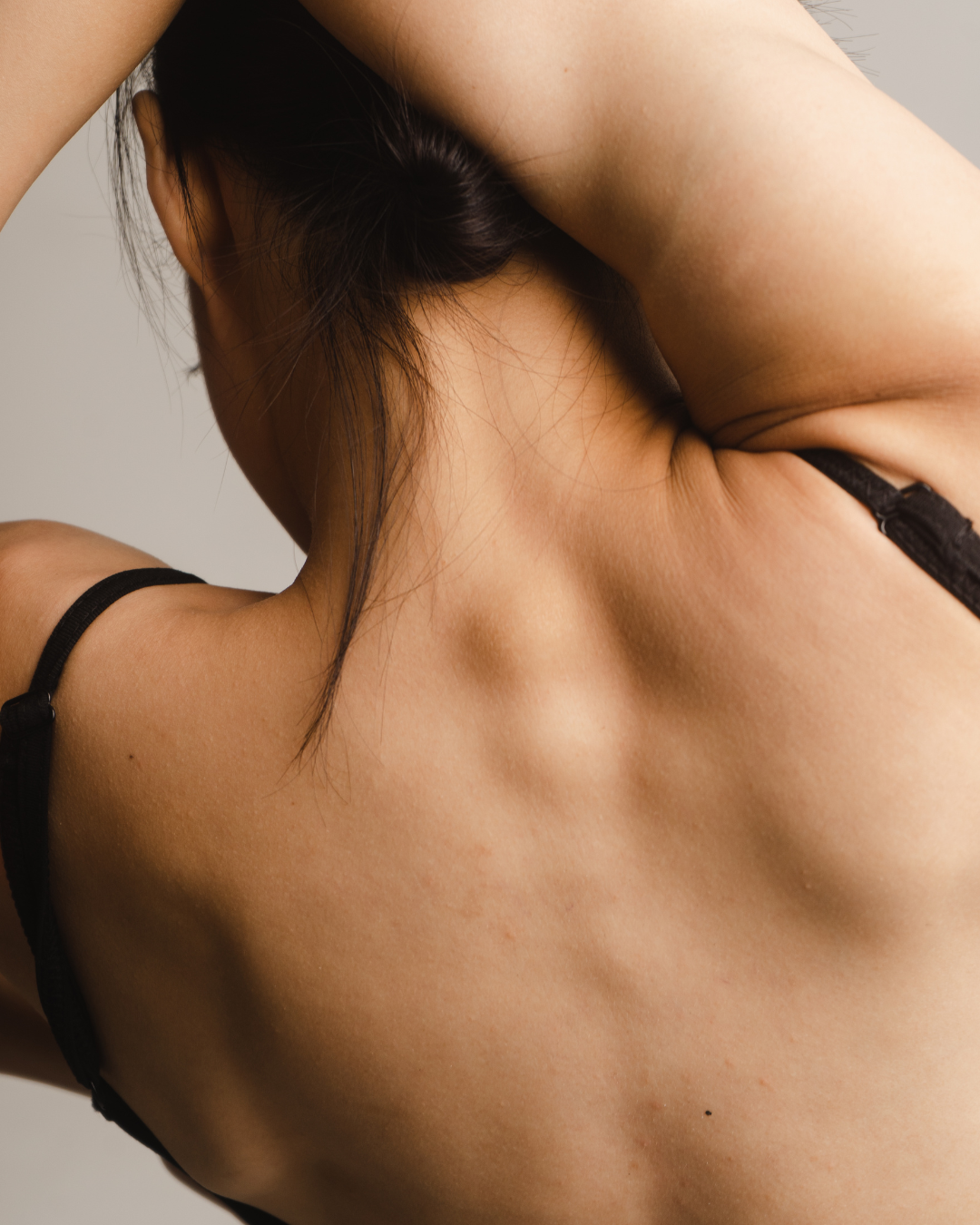
I Dance Because I Can: A Love Letter To My Body
I Dance Because I Can is a reflective exploration of dance as an act of gratitude, presence, and embodiment. Through the language of ballet and mindful movement, the blog honours the privilege of being able to move, stretch, and breathe in a living, responsive body. Blending themes of adult ballet, body awareness, grief, and gratitude, it reframes dance not as performance or exercise, but as a sacred practice and a love letter to the body.
Why Students Should Speak Up in Adult Ballet
Adult ballet learning thrives on understanding, communication, and collaboration. Unlike childhood training, adults learn fastest when they understand why movements work, can connect technique to prior experience, and receive clear, immediate feedback. Speaking up in adult ballet classes reduces trial-and-error learning, accelerates physical progress, supports injury prevention, and makes limited class time more effective. Asking questions is not a challenge to authority—it is a powerful tool that deepens comprehension, strengthens technique, and helps adult dancers learn more intentionally, efficiently, and sustainably.
Dancing Only Where You’re Comfortable Slows Growth
The Trauma We Don’t Talk About: Growing Up in Toxic Ballet Environments
Why Adult Ballet is A Rebellion
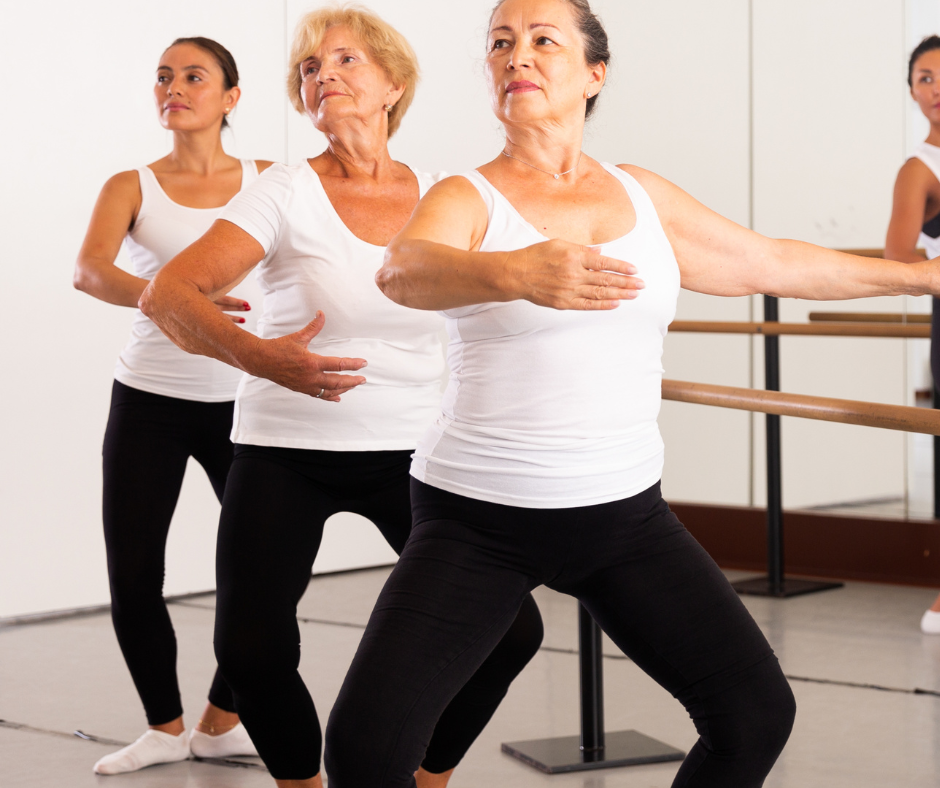
Why We Care About Technique Even If You’re Here for Fun
The Lie of the “Ballet Body”
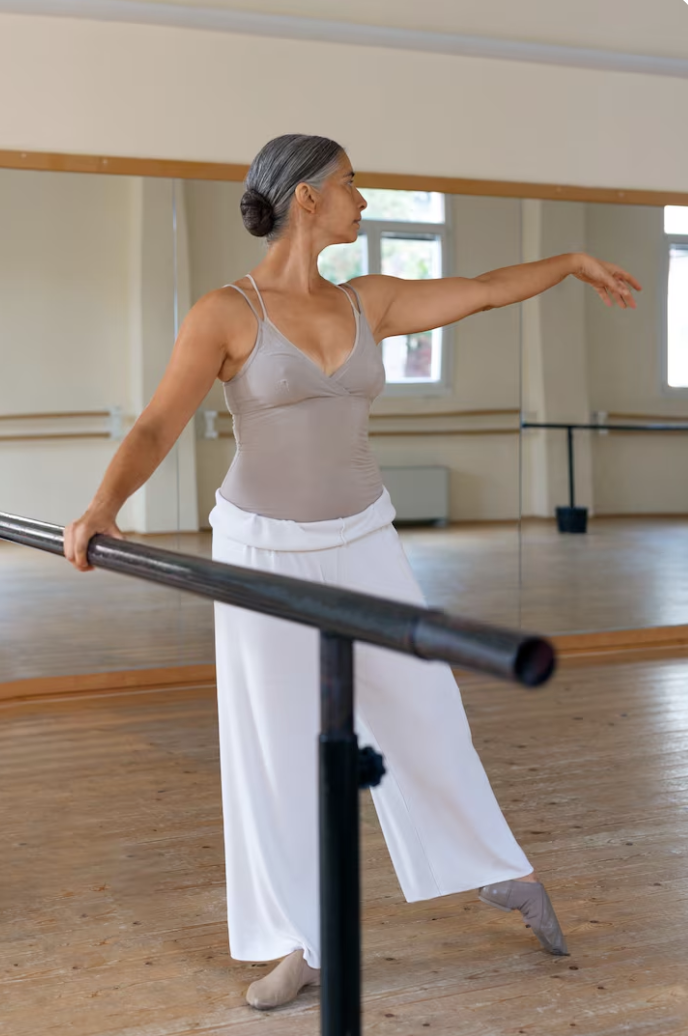
The Quiet Grief of Giving Up Ballet (And What to Do With It)
Why People Once Believed Ballet Had an Expiry Date — And Why We Now Know Ballet Is Forever